How to Calm Anxiety Naturally: 10 Simple Techniques That Actually Work
- Editorial Team
- Mar 11
- 7 min read
Anxiety is the body’s natural response to stress, often showing up as worry, tension, or racing thoughts. Work pressure, financial concerns, health worries, and constant digital stimulation can leave many people feeling overwhelmed.
If you have ever searched for ways to calm anxiety, you are far from alone. Many people look for natural, practical ways to regain control of their thoughts and emotions without immediately turning to medication.
The good news is that simple habits can help your mind and body relax. When practiced regularly, these techniques can reduce stress, slow racing thoughts, and help you feel more grounded.
In this guide, you will learn 10 practical techniques to ease anxiety naturally and start feeling calmer and more in control.
What Is the Fastest Way to Calm Anxiety Naturally?
The fastest way to calm anxiety naturally is to slow your breathing, ground your attention in the present moment, and reduce stimulation around you. Techniques like deep breathing, mindfulness, and short physical movement activate your body’s relaxation response.
When you slow your breath and focus your mind, your nervous system shifts from a stress response to a calmer state. This helps lower your heart rate, ease muscle tension, and reduce overwhelming thoughts.
While quick techniques can provide immediate relief, long-term anxiety management usually comes from combining several healthy habits. The methods below work best when you practice them regularly.
Why Anxiety Happens
Before learning how to calm anxiety, it helps to understand why it happens. Anxiety is also more common than many people realize. According to the National Institute of Mental Health, about 31.1% of U.S. adults experience an anxiety disorder at some point in their lives, which shows how widespread this experience can be.
Anxiety is your body’s natural response to perceived danger. When your brain senses a threat, it activates the “fight or flight” response. This reaction releases stress hormones that prepare your body to react quickly.
While this response can be helpful in real emergencies, modern life often triggers it even when there is no immediate danger. Deadlines, financial pressure, constant notifications, and social expectations can keep your body in a heightened state of alertness.
When this stress response happens too often, your body may struggle to return to a relaxed state.
Common symptoms of anxiety include:
Racing thoughts
Rapid heartbeat
Tight muscles
Trouble concentrating
Restlessness
Difficulty sleeping
Developing healthy habits for coping with mental wellness can help interrupt this anxiety-cycle and bring your body back to balance.

10 Natural Techniques for Managing Anxiety
Managing anxiety often starts with small, practical habits you can use in everyday life. The techniques below are simple ways to help you feel calmer and regain control when stress builds.
1. Practice Deep Breathing
Breathing exercises are one of the simplest ways to calm anxiety quickly. When you feel anxious, your breathing usually becomes shallow and rapid. This signals your nervous system to stay in a stressed state. Slow breathing sends the opposite message to your brain.
A popular method is the 4-7-8 breathing technique:
Inhale slowly through your nose for 4 seconds
Hold your breath for 7 seconds
Exhale slowly through your mouth for 8 seconds
Repeat for several cycles
Deep breathing increases oxygen flow and activates the parasympathetic nervous system. This system controls relaxation in the body. After just a few minutes, many people notice a calmer mind and slower heart rate.
Practicing this technique daily can make it easier to manage sudden anxiety.
2. Move Your Body
Physical movement is a powerful natural anxiety reliever. Exercise reduces stress hormones and increases endorphins, which are chemicals that improve mood. Even light activity can make a noticeable difference.
Helpful forms of movement include:
Walking outdoors
Jogging or cycling
Yoga
Stretching routines
Dancing or home workouts
You do not need an intense workout to feel the benefits. A 10 to 20 minute walk can lower stress levels and clear your mind. Regular exercise also improves sleep and energy levels, both of which play a role in anxiety management.
3. Try Grounding Techniques
Grounding exercises help pull your attention away from anxious thoughts and bring your focus to the present moment. One widely recommended approach is the 5-4-3-2-1 method. This technique uses your senses to reconnect with your environment.
Try this exercise:
Name 5 things you can see
Name 4 things you can touch
Name 3 things you can hear
Name 2 things you can smell
Name 1 thing you can taste
This simple exercise interrupts racing thoughts and encourages your brain to slow down. Many therapists recommend grounding techniques for sudden anxiety or panic attacks.
4. Reduce Caffeine Intake
Caffeine stimulates your nervous system. While it can increase alertness, it may also worsen anxiety symptoms. Too much caffeine can cause:
Increased heart rate
Jitters or restlessness
Sleep disruption
Heightened nervousness
If you are trying to learn how to calm anxiety, it may help to evaluate how much caffeine you consume each day.
Consider reducing intake by:
Switching to half-caf coffee
Choosing herbal tea instead of energy drinks
Avoiding caffeine late in the afternoon
Many people notice reduced anxiety after lowering their daily caffeine consumption.
5. Practice Mindfulness or Meditation
Mindfulness teaches you to observe thoughts without immediately reacting to them. When anxiety appears, the mind often jumps to worst-case scenarios. Mindfulness creates distance between you and those thoughts.
You can begin with a simple exercise:
Sit comfortably and close your eyes
Focus on your breathing
Notice thoughts as they appear
Let them pass without judgment
Return attention to your breath
Even five minutes per day can build mental resilience. Over time, meditation helps you respond to stress with greater calm. Many meditation apps offer guided sessions for beginners, such as Headspace and Calm.
6. Improve Your Sleep Routine
Sleep and anxiety influence each other. Poor sleep increases stress levels, and anxiety often makes it harder to fall asleep. Improving sleep habits can significantly reduce anxiety symptoms.
Helpful sleep strategies include:
Maintaining a consistent bedtime
Limiting screen time before bed
Keeping your bedroom dark and cool
Avoiding heavy meals late at night
Creating a relaxing nighttime routine
When your body receives consistent rest, your emotional regulation improves. This makes daily stress easier to handle.
7. Write Down Your Thoughts
Journaling can help organize overwhelming thoughts. Anxiety often grows when worries stay trapped in your mind. Writing them down creates mental space and clarity.
You might try these journaling prompts:
What is causing my anxiety right now?
What evidence supports this worry?
What actions can I take today?
What is outside my control?
Many people find that writing their worries reduces mental clutter. It also helps identify patterns that trigger anxiety. Over time, journaling becomes a useful tool for emotional processing.
8. Spend Time in Nature
Nature has a calming effect on the brain. Studies show that spending time outdoors can lower cortisol levels and improve mood. Natural environments reduce mental fatigue and promote relaxation.
Simple ways to incorporate nature into your routine include:
Walking in a local park
Hiking trails on weekends
Sitting outside during breaks
Gardening
Visiting beaches or forests
Even brief exposure to green spaces can help reduce anxiety symptoms.
9. Limit News and Social Media Overload
Constant exposure to news and social media can amplify anxiety. Negative headlines and endless online comparisons often increase stress levels. Your brain may interpret this information as ongoing threats.
To protect your mental health, consider setting boundaries such as:
Limiting news consumption to specific times
Turning off phone notifications
Taking regular social media breaks
Avoiding screens before bedtime
Reducing digital overload allows your mind to recover from constant stimulation.
10. Talk to Someone You Trust
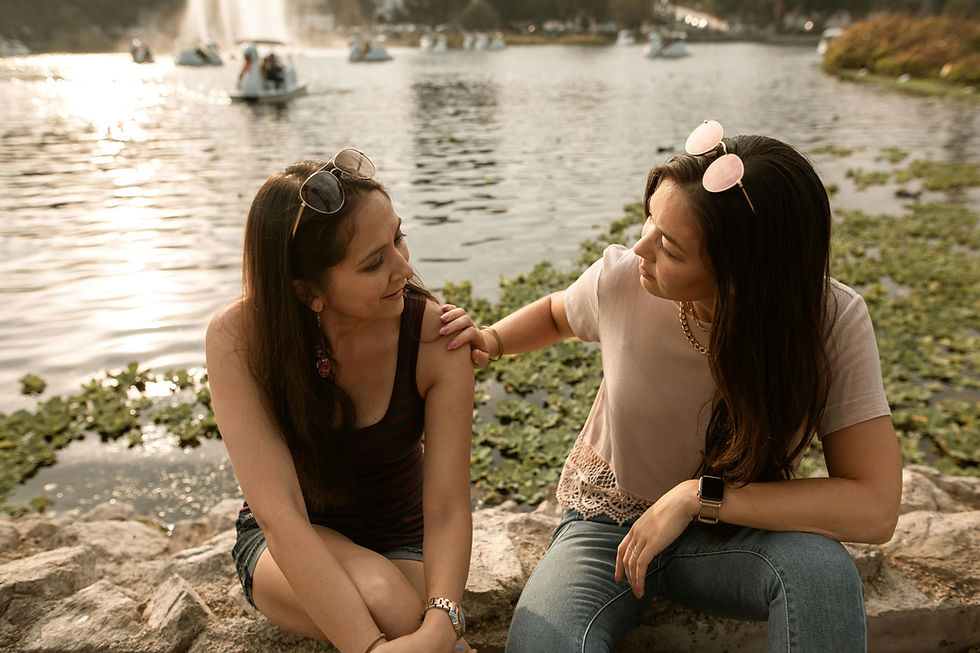
You do not have to manage anxiety alone. Sharing your thoughts with a trusted friend, family member, or therapist can provide relief. Talking helps you process emotions and gain perspective.
Supportive conversations may:
Validate your feelings
Offer new viewpoints
Reduce isolation
Encourage practical solutions
If anxiety becomes persistent or overwhelming, speaking with a mental health professional can be especially helpful. Therapy provides structured tools for long-term anxiety management.
When to Seek Professional Help for Anxiety
Natural techniques can help reduce everyday anxiety, but sometimes additional support is needed. If anxiety becomes overwhelming or begins to affect your daily life, speaking with a mental health professional can be an important step toward feeling better.
You may want to seek professional help if you experience:
Frequent panic attacks
Anxiety that interferes with work, school, or relationships
Persistent sleep problems
Avoidance of normal activities or social situations
Difficulty concentrating or completing daily tasks
Mental health professionals can offer structured support through treatments such as cognitive behavioral therapy (CBT), counseling, and personalized coping strategies.
If you need immediate guidance or support, these trusted organizations can help:
National Alliance on Mental Illness (NAMI)
Helpline: 1-800-950-6264
Website: https://www.nami.org
Offers mental health education, resources, and support for individuals and families.
Substance Abuse and Mental Health Services Administration (SAMHSA)
National Helpline: 1-800-662-HELP (4357)
Website: https://www.samhsa.gov
Provides free, confidential support and treatment referral services.
Mental Health America (MHA)
Website: https://www.mhanational.org
Offers mental health screenings, educational resources, and community support.
Seeking help is a meaningful step toward coping with mental wellness and building long-term emotional resilience.
FAQs
What helps calm anxiety quickly?
Deep breathing, grounding exercises, and short walks can calm anxiety quickly. These techniques slow your nervous system and help shift your focus away from racing thoughts.
Can anxiety go away naturally?
Yes, mild or situational anxiety can often improve with lifestyle changes such as regular exercise, improved sleep, mindfulness, and stress management techniques.
What foods help reduce anxiety?
Foods rich in magnesium, omega-3 fatty acids, and complex carbohydrates may help support mood stability. Examples include leafy greens, salmon, nuts, whole grains, and berries.
How long does anxiety last?
Anxiety episodes may last minutes to hours depending on the trigger and your coping strategies. Chronic anxiety can persist longer but often improves with treatment and healthy habits.
Is anxiety a mental illness?
Anxiety itself is a normal human emotion. However, anxiety disorders are recognized mental health conditions that involve excessive or persistent worry.
Does exercise help anxiety?
Yes. Exercise reduces stress hormones and releases endorphins that improve mood. Regular physical activity is one of the most effective natural ways to manage anxiety.
When should I see a doctor for anxiety?
You should consider speaking with a doctor or therapist if anxiety interferes with work, relationships, sleep, or daily functioning.
Conclusion
Learning how to calm anxiety naturally can change the way you respond to stress in everyday life. While anxiety may not disappear entirely, developing simple coping habits can help you manage it with greater confidence and clarity.
Practices like deep breathing, regular movement, mindfulness, and healthy sleep routines can gradually quiet racing thoughts and support a more balanced state of mind.
The key is consistency. Start with one or two techniques from this guide and build them into your daily routine - even small steps can lead to meaningful change. Over time, you may notice yourself feeling calmer, thinking more clearly, and handling challenges with greater ease.
For more practical insights and helpful guides, follow My PenPoint for future updates.


Comments